
Ice dams are one of several ways clogged gutters damage a Buffalo home. See our full guide: What Clogged Gutters Actually Cause, including fascia & roof rot.
Ice Dam Removal in Buffalo, NY — Before It Reaches Your Ceiling
When Buffalo snow melts and refreezes at your roofline, it forms ice dams that back water up under your shingles and into your home. We remove ice dams safely — without damaging your roof or gutters — and get it done fast.
What Is an Ice Dam, and Why Does Buffalo Get So Many?
An ice dam forms when heat escaping from your attic melts snow on the upper roof. That meltwater runs down to the cold eaves and refreezes into a ridge of ice right at the edge — usually right above your gutters. Once that ridge builds up, more meltwater has nowhere to go, so it backs up under your shingles and can leak into your ceilings, walls, and insulation.
Buffalo’s lake-effect snow pattern makes this worse than almost anywhere else in the country: heavy snow loads followed by freeze-thaw cycles are exactly the recipe that builds ice dams. According to the National Weather Service, the Buffalo area regularly sees repeated freeze-thaw swings through the winter, which is precisely the condition that drives ice dam formation on roofs with attic heat loss or clogged gutters.
6 Warning Signs You Have an Ice Dam
Icicles Hanging From the Eaves
A few icicles are normal, but thick, heavy icicles along the whole roofline usually mean an ice dam is already forming behind them.
Water Stains on Ceilings or Walls
Brown stains near exterior walls or on the ceiling below your roofline are a warning sign. They mean meltwater has already backed up under the shingles.
Visible Ice Ridge at the Roof Edge
A thick ridge of solid ice sitting right above your gutter line — often several inches high — is the ice dam itself.
Gutters Packed Solid With Ice
If your gutters are frozen solid with no visible channel for water to move, ice dams are far more likely to form right above them.
Uneven Roof Snow Melt
Bare patches of roof next to snow-covered sections point to attic heat loss escaping unevenly — a leading cause of ice dams.
Ice Buildup Inside the Attic
Frost or ice on the underside of your roof deck in the attic is a sign heat and moisture are already causing problems up top.
Can a Clogged Gutter Cause an Ice Dam?
Partly — but it’s not the main cause. The real driver of most ice dams is heat escaping from a poorly insulated or poorly ventilated attic, which melts snow unevenly on the roof. A clogged gutter doesn’t create that heat loss, but it does make the resulting ice dam worse: instead of meltwater draining away, it sits and refreezes right where your gutters already can’t move it.
The National Weather Service gives the same advice in its guide to preventing roof ice dams: keep gutters and downspouts clear so melting snow can drain.
That’s why we recommend addressing both.
Attic insulation/ventilation for the root cause, and clean, functioning gutters so meltwater has somewhere to go.
Our Ice Dam Removal Process
Inspection
We assess the roof, gutters, and ice dam extent before touching anything — including checking for existing leaks or damage.
Low-Pressure Steam Melting
We use low-pressure steam equipment to melt channels through the ice, letting trapped water drain safely off the roof.
Careful Ice Removal
Ice is melted and cleared in sections, working from the top down, without chipping, hammering, or scraping the roof surface.
Gutter & Downspout Clearing
Once the dam is cleared, we clear ice and debris from gutters and downspouts so meltwater can drain normally again.
Damage Check
We check the roof edge, fascia, and gutters for any damage caused by the ice dam and document anything we find.
Prevention Recommendations
We walk you through what caused the ice dam and what would actually prevent it next winter — insulation, ventilation, or gutter guards.
Why You Shouldn’t Chip an Ice Dam Off Your Roof Yourself
Chipping, hammering, or using an axe on an ice dam is one of the most common ways homeowners damage their own roof. It’s easy to crack or tear shingles that are frozen and brittle, and it puts you on a ladder or roof in icy, dangerous conditions. Rock salt and calcium chloride can also damage gutters, landscaping, and roofing materials. Professional steam removal melts the ice without any of that risk.
Removal Now vs. Prevention for Next Winter
Emergency Removal (Right Now)
If you already have an ice dam and water is getting into your home, removal is the immediate priority. Steam removal clears the ice and stops active leaking without waiting for a spring thaw that could mean months of interior damage.
Long-Term Prevention (Before Next Winter)
Preventing ice dams from forming in the first place usually comes down to attic insulation and ventilation, plus keeping gutters clear so meltwater has somewhere to go. Heated cables can help on chronic trouble spots, but they treat the symptom, not the cause — an insulation and ventilation assessment is the more permanent fix. We can point you toward what your roof actually needs.
Water Already Coming Into Your Home? Do This First
If you’re seeing active water intrusion from an ice dam, a few immediate steps can limit the damage while you wait for removal:
- Move furniture, electronics, and valuables away from the affected area
- Place buckets or towels to catch dripping water and protect flooring
- If water is coming through a light fixture, shut off power to that circuit at the breaker
- Take photos of any visible water stains, dripping, or ceiling damage for insurance purposes
- Call us for same-week emergency ice dam removal — don’t wait for it to melt on its own
Ice Dam Removal Across the Buffalo Area
Older housing stock in Buffalo’s classic neighborhoods — steep roof pitches, shallow attic insulation, tight eaves — tends to run into ice dams more than newer construction. We know these roof types well.
Buffalo Neighborhoods
North Buffalo, Parkside, Elmwood Village, West Side, South Buffalo — older homes with steep rooflines and shallow attic insulation.
Amherst
Larger suburban roofs and complex rooflines with valleys where ice dams tend to concentrate.
Cheektowaga
Ranch and split-level homes where attic ventilation is often original to the build.
Tonawanda
Mix of older city housing and postwar construction, both prone to attic heat-loss ice dams.
West Seneca
Suburban homes with finished attics that reduce insulation depth at the roofline.
Orchard Park
Larger properties and steep-pitch roofs that hold heavy snow loads through the winter.
Ice Dam Removal Pricing
Every ice dam is different — pricing depends on the size and severity of the dam, roof pitch, and accessibility. Call for exact pricing based on your situation.
What Affects Pricing
- Size and thickness of the ice dam
- Roof pitch and accessibility
- Number of stories
- How much ice has built up in the gutters
- Whether active leaking is already occurring
- Overall roof area affected
What’s Included
- Full roof and gutter inspection before we start
- Low-pressure steam removal — no roof damage
- Gutter and downspout clearing after the dam is removed
- Post-removal damage check
- Prevention recommendations for next winter
- Same-week emergency scheduling when needed
Why Buffalo Homeowners Choose Us for Ice Dam Removal
Steam Removal, Not Chipping
We melt ice safely instead of hammering or chipping, so your roof and shingles aren’t damaged in the process.
Same-Week Emergency Service
When water is already getting in, we prioritize fast scheduling — you’re not waiting weeks for an appointment.
Insured & Local
Full coverage on every job, so you’re protected working on your roof in winter conditions.
Local Buffalo Winter Experience
We work on Buffalo’s lake-effect ice dams every winter — we know what causes them here specifically.
Honest Prevention Advice
We’ll tell you if the fix is insulation, ventilation, gutter guards, or nothing at all — not just upsell you.
100+ Five-Star Reviews
Buffalo homeowners trust us for gutter and roof-edge work across the region.
Related Gutter Services in Buffalo
Gutter Cleaning
Regular cleaning keeps gutters clear so meltwater can drain instead of backing up into an ice dam.
Gutter Repair
Ice dams can bend, crack, or pull gutters loose — we repair damage caused by winter ice buildup.
Gutter Guard Installation
Guards help keep debris out of gutters year-round, reducing one contributor to ice dam severity.
Seamless Gutter Installation
If ice dams have damaged old gutters beyond repair, seamless replacement is often the better long-term fix.
Our Crew on Buffalo Roofs & Gutters
Real work from our crew servicing Buffalo roofs and gutters through winter conditions.
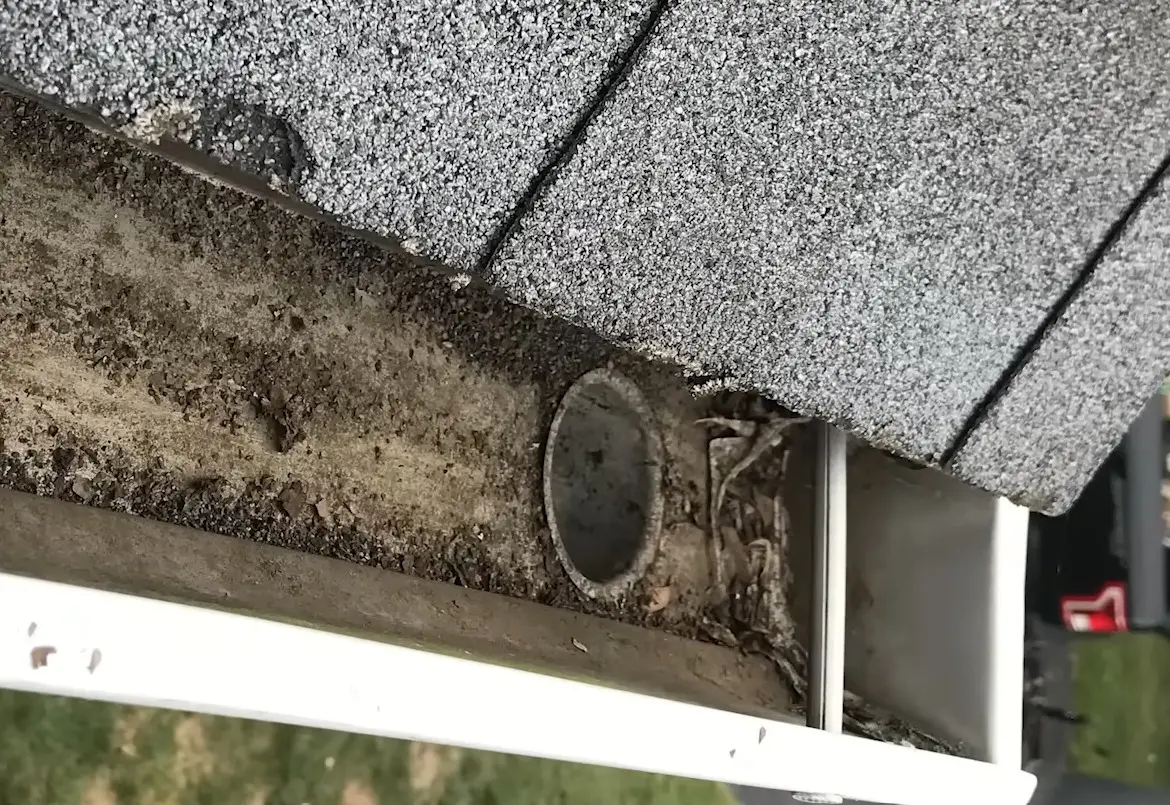
Preventing Water Damage
Stopping active water intrusion from an ice dam before it reaches the ceiling and walls.
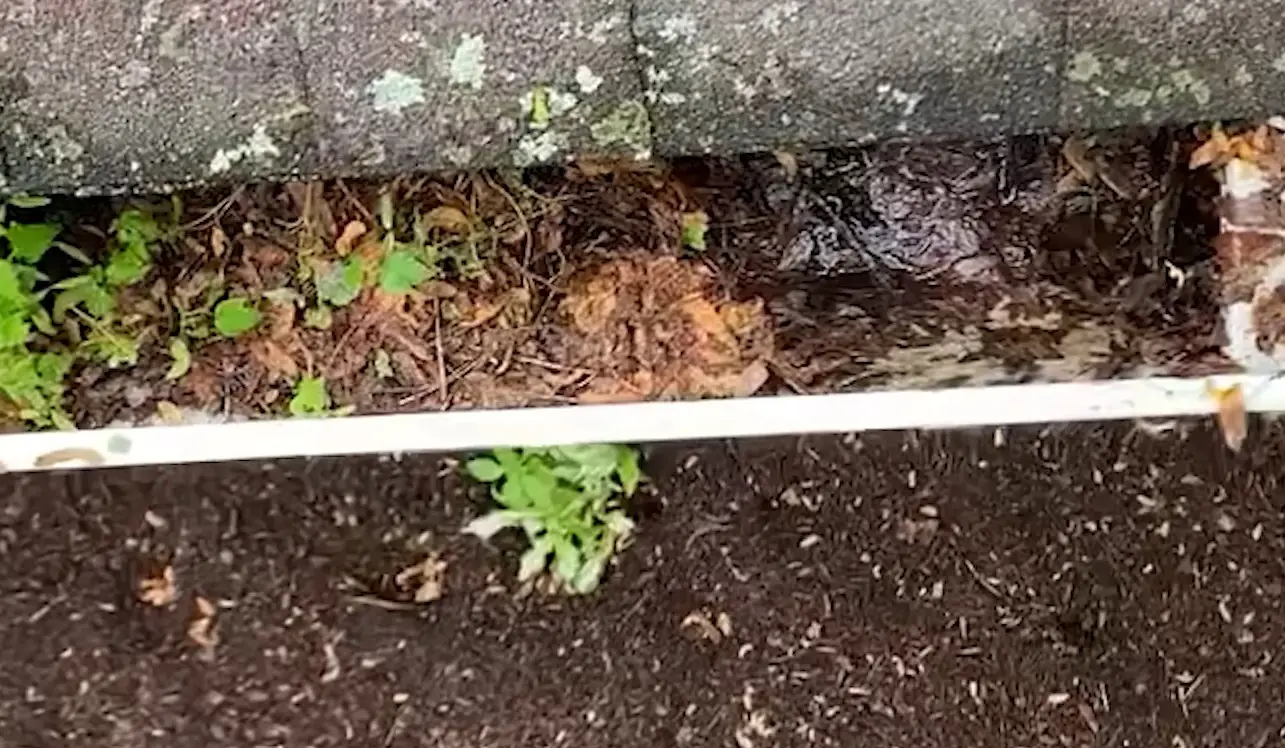
Winter Gutter Service
Our crew clearing ice and debris from gutters in Buffalo winter conditions.
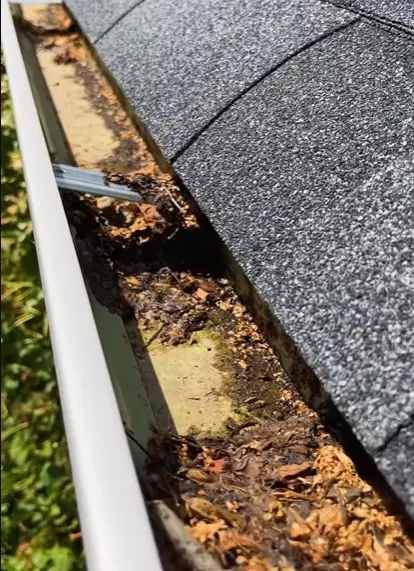
On the Roofline
Working safely along the roof edge to clear ice and restore proper drainage.
Ice Dam Removal FAQ
How much does ice dam removal cost in Buffalo?
Cost depends on the size and severity of the ice dam, roof pitch, and accessibility. Call us for exact pricing — we’ll assess your specific situation before quoting.
How fast can you get here for emergency removal?
We offer same-week emergency scheduling for active ice dams, especially when water is already getting into the home. Call (716) 415-7160 to check current availability.
Will removing an ice dam damage my roof?
Not with the right method. We use low-pressure steam to melt the ice, which doesn’t chip, crack, or otherwise damage shingles the way hammering or axes can.
Can I remove an ice dam myself?
We don’t recommend it. Climbing on an icy roof or ladder is dangerous, and chipping at ice or using rock salt can damage your roof, gutters, and landscaping. Professional steam removal avoids both risks.
Do clogged gutters cause ice dams?
They contribute to the problem but aren’t usually the root cause. Most ice dams start with attic heat loss melting snow unevenly. Clogged gutters make the resulting ice worse by trapping meltwater at the roofline.
Will you fix the cause, not just remove the ice?
We’ll tell you what’s actually causing the ice dam — usually attic insulation or ventilation — and point you toward the right fix. We handle the gutter side of prevention directly; broader attic work may need a separate specialist.
What if water has already leaked into my house?
Move valuables away from the area, place buckets or towels, and shut off power to any affected light fixtures at the breaker if water is dripping through one. Then call us for same-week emergency removal.
Do you offer any way to prevent ice dams next winter?
Yes — keeping gutters clean and clear, adding gutter guards, and improving attic insulation and ventilation all reduce ice dam risk. We can walk you through which of these makes sense for your home.
Protect Your Buffalo Home Before the Next Freeze
Whether you need an ice dam removed right now or want to prevent one before it forms, we’re here for it. Same-week emergency service, honest prevention advice, and a team that knows Buffalo winters.