What Causes Ice Dams in Buffalo?
An ice dam forms when heat escaping from your attic melts snow on the roof; that water runs down to the colder eave and refreezes into a ridge, trapping more water behind it until it works its way under the shingles. This is especially common on Buffalo’s older housing stock, where attic insulation is thinner than modern code requires.
How Ice Dams Actually Form
It’s a three-step cycle: heat loss melts snow near the roof’s peak, the meltwater runs down to the unheated eave, and refreezes there because the eave stays colder than the rest of the roof. Each freeze-thaw cycle adds another layer of ice until the dam is thick enough to back water up under the shingles — which is when you start seeing stains on interior ceilings and walls.
Why Buffalo Homes Are Especially at Risk
Lake-effect snow means more total snow load sitting on the roof through the winter, and Buffalo’s older housing stock — much of it built before modern insulation standards — loses more attic heat than newer construction. That combination of heavy snow plus warm roofs is exactly the recipe that builds ice dams, which is why we see them far more often here than in homes further south.
What Actually Stops Ice Dams
- Attic insulation and air sealing — the root cause is heat loss, so stopping warm air from reaching the roof deck is the most effective long-term fix.
- Proper attic ventilation — keeps the whole roof deck closer to outdoor temperature so snow melts evenly instead of at the peak only.
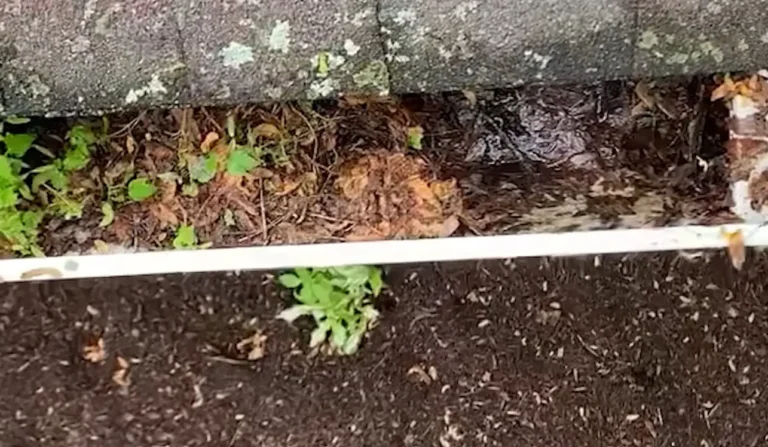
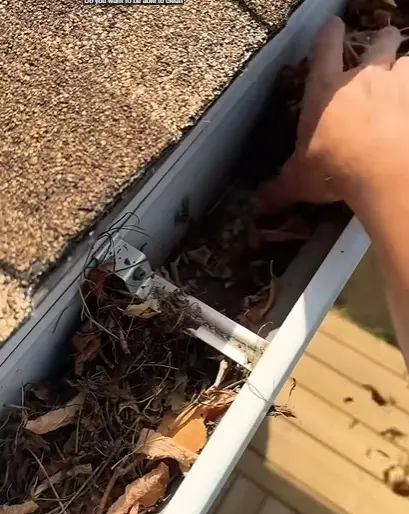
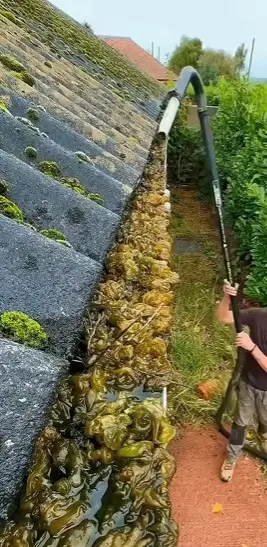
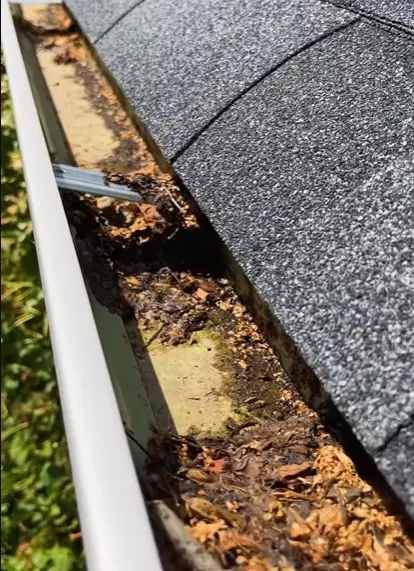
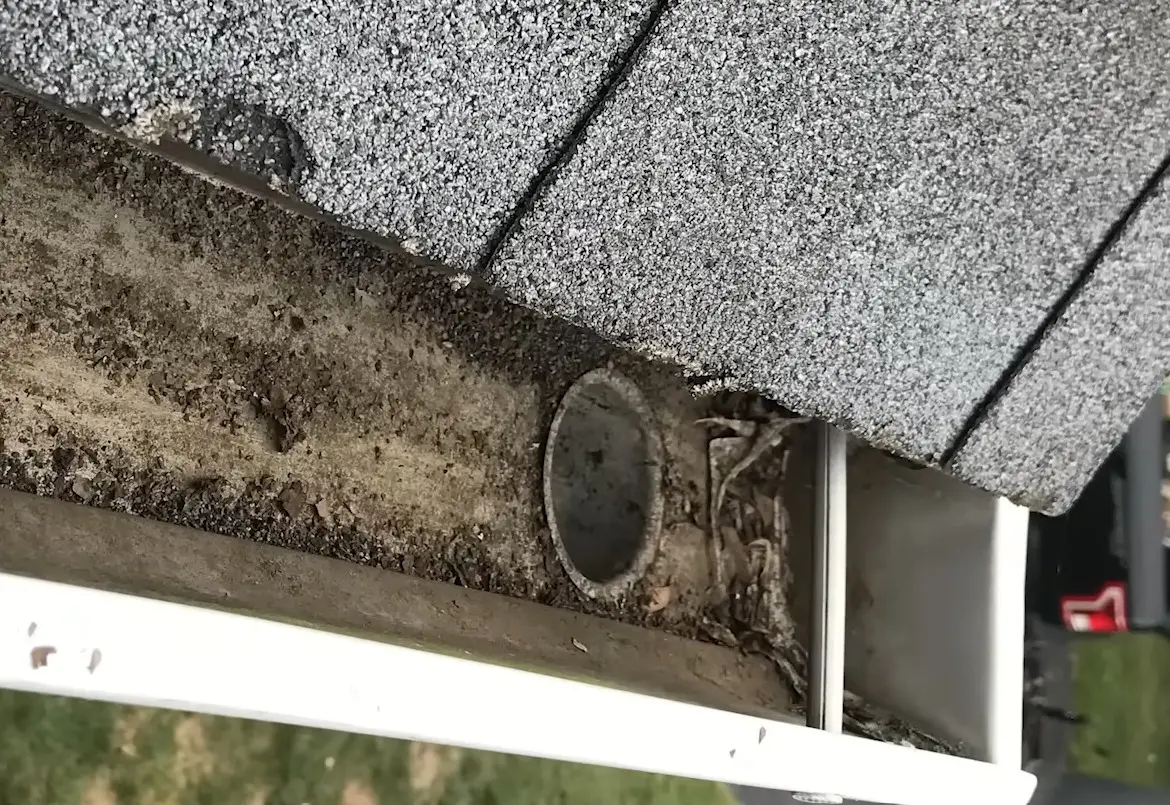
- Clean, clear gutters and downspouts — won’t stop a dam caused by attic heat loss, but a clogged gutter gives the refrozen water nowhere to drain, making the flooding underneath a lot worse once a dam does form.
Where Gutter Cleaning Fits In
Clean gutters are one piece of ice dam prevention, not the whole fix — but they’re the piece that’s easiest to control and cheapest to stay on top of. We flush every downspout and clear every run before the first hard freeze so that when meltwater does start moving, it actually has somewhere to go.
If you’ve had ice dams before or you’re not sure your gutters are ready for winter, we can take a look before the first freeze and tell you honestly whether cleaning will help or whether you’re dealing with an insulation issue that needs a different fix.